Should you buy a home that’s already built, or one that won’t be finished for a few years? Both paths can work well. The right choice depends on when you need to move, how you want to pay, and how much uncertainty you’re comfortable with. Here’s a side-by-side look.
The quick comparison
| Factor | Pre-construction | Resale |
|---|---|---|
| Move-in timing | Typically 2–5 years after signing | Usually 30–90 days after a firm deal |
| Down payment | Paid in instalments to the builder | Paid in full at closing |
| Price certainty | Price fixed at signing, but closing adjustments can add costs | Price known, closing costs predictable |
| Condition | Brand new, with new-home warranty | Varies; inspection recommended |
| Customisation | Choose finishes and sometimes layout options | What you see is what you get |
| Taxes | HST applies, with rebates available | No HST on most resale homes |
| Key risks | Delays, cancellation, market change before closing | Hidden defects, bidding wars, repair costs |
The case for pre-construction
Time to save
Instead of finding a full down payment at once, you pay a deposit schedule over months or years. That makes pre-construction attractive to first-time buyers and investors who want to stretch their capital. Our deposit structure guide explains how schedules usually work.
A brand-new home with warranty protection
New homes in Ontario come with Tarion warranty coverage, including protection for major structural defects for seven years. Other provinces have their own new-home warranty programs. See our Tarion warranty guide.
Modern layouts and efficiency
New buildings are built to current building codes, with better insulation, newer mechanical systems and features like EV-ready parking that older homes may lack.
Rebates on new homes
HST applies to new homes, but recent federal and Ontario rebates can remove much or all of it for eligible buyers. Our GST/HST rebate guide covers who qualifies.
The case for resale
You can see exactly what you’re buying
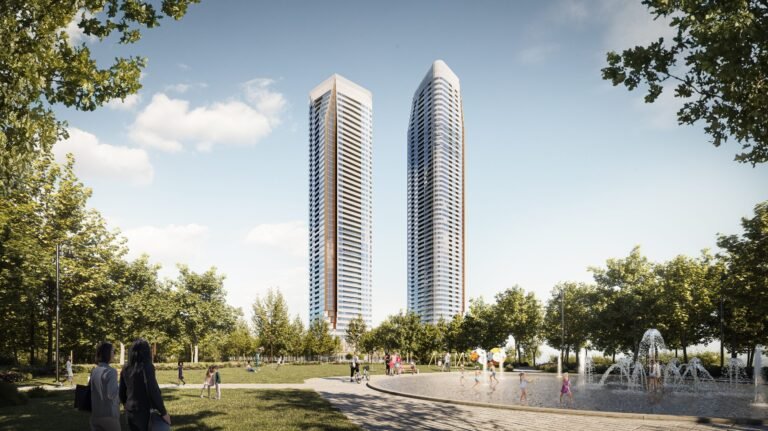
No renderings, no guessing about the view or the noise. You can visit at different times of day and talk to neighbours.
Faster move-in
If you need a home this year, resale is usually the only realistic option, along with a builder’s move-in-ready inventory.
Established neighbourhoods
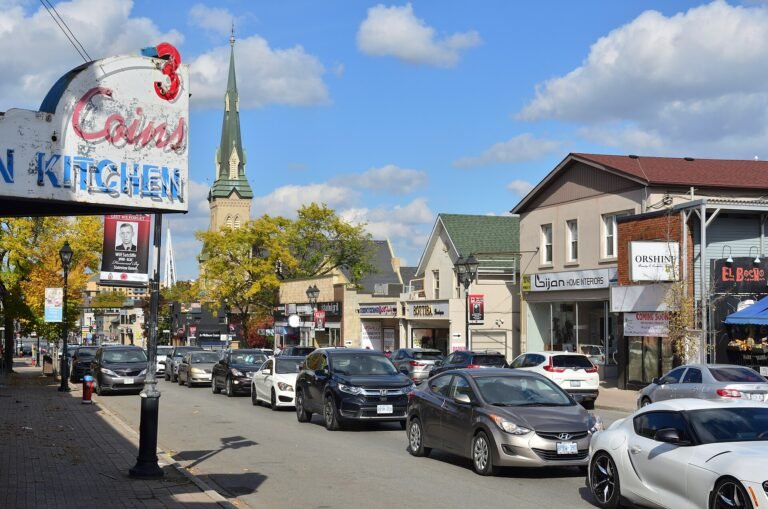
Mature trees, finished parks, built-out retail and known school catchments. New communities can take years to fill in.
Fewer surprise costs at closing
Pre-construction closings can include development charges, utility connection fees and other adjustments. Resale closings are more predictable. Compare our list of pre-construction closing costs.
Risks to weigh honestly
With pre-construction, the biggest risks are timing and market change. Completion dates slip, and if prices fall before closing, your lender’s appraisal may come in below your purchase price, leaving you to cover the gap. Projects can also be cancelled if they don’t reach sales or financing targets, though deposits are protected by trust rules and warranty programs.
With resale, the main risks are the condition of the home and competition when inventory is tight. A professional home inspection and a realistic offer strategy help on both fronts.
Which is better for investors?
Investors often like pre-construction because of the leverage: a modest deposit controls an asset for years. The flip side is that rental income doesn’t start until occupancy, and carrying costs in the interim can be negative if rents don’t cover the mortgage and fees. Read our investor guide and is pre-construction a good investment in 2026? for the full picture.
How to decide
- Need to move within 12 months? Resale, or a builder’s quick move-in home.
- Want new, with time to save? Pre-construction.
- Want a specific mature neighbourhood? Usually resale; new supply there tends to be infill condos or small townhome projects.
- First-time buyer counting on rebates? Pre-construction may offer real tax savings. Start with our first-time buyer’s guide.
If pre-construction fits, browse current projects by city, such as Toronto condos, Vaughan or Oakville, and compare floor plans and builders side by side.
Frequently asked questions
Is pre-construction cheaper than resale?
Not always. Pre-construction prices are set for the future, and in some markets they’ve been above comparable resale homes. Compare price per square foot with nearby resale and recently completed buildings.
Can I negotiate on a pre-construction home?
Often yes, especially on incentives such as capped levies, parking or deposit timing. See how to negotiate pre-construction prices.
Is HST charged on resale homes?
Generally no. HST applies to new and substantially renovated homes, not to most resale homes bought from an individual owner.
General information only, not legal, tax or financial advice. Confirm details with a real estate lawyer and your lender.