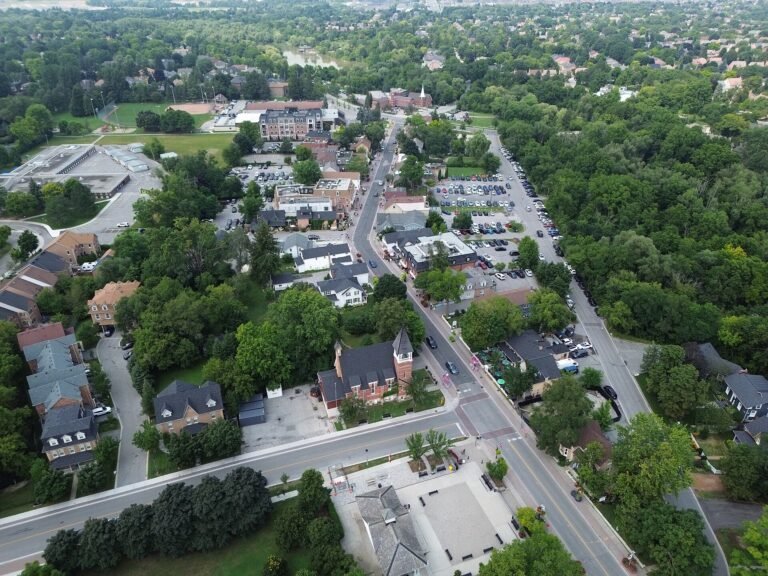
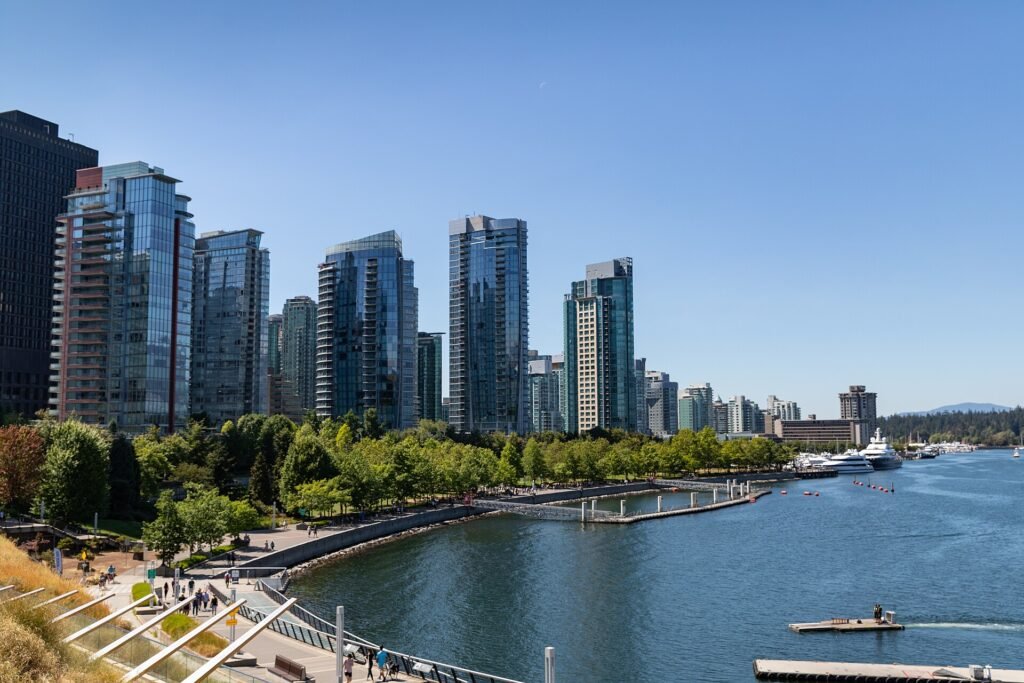
Toronto and Vancouver are Canada’s two largest and most expensive real estate markets, and both have deep pre-construction pipelines. They share high prices and strong long-term demand, but differ in taxes, buyer rules and market dynamics. Here’s how they compare.
At a glance
| Factor | Toronto | Vancouver |
|---|---|---|
| Term used | Pre-construction | Presale |
| Sales tax on new homes | 13% HST (with rebates) | 5% GST (with rebates) |
| Transfer tax | Ontario + Toronto land transfer tax | BC property transfer tax |
| Cooling-off | 10 days for new condos | 7 days for new strata units |
| New-home warranty | Tarion (1-2-7) | 2-5-10 warranty |
| Vacancy taxes | Toronto Vacant Home Tax | Empty Homes Tax + BC Speculation and Vacancy Tax |
Prices
Both cities are expensive by Canadian standards, with Vancouver typically higher per square foot for comparable new condos. Land constraints, mountains and ocean in Vancouver, and the Greenbelt and lake around Toronto, support long-term values in both.
Taxes and costs
Toronto buyers face 13% HST on new homes, though 2025–2026 rebates can offset much of it for eligible buyers. BC has only 5% GST on new homes, but its property transfer tax and vacancy taxes add costs. See our rebate guide and closing costs.
Buyer protections
Ontario offers the 10-day condo cooling-off period and Tarion warranty. BC offers a 7-day rescission period and mandatory 2-5-10 warranty, plus detailed disclosure statements under its development marketing law.
Rental demand
Both have deep rental markets fuelled by immigration, students and jobs. Both also tax vacant homes, so investors must keep units occupied. See the investor guide.
Transit
Toronto’s subway, LRTs and GO network continue to expand, including the Ontario Line. Vancouver’s SkyTrain is extending along Broadway and into Surrey and Langley. Projects near stations tend to hold demand. See pre-construction near transit.
Deposits and timelines
Toronto pre-construction condo deposits are commonly 15% to 20%, spread over a year or two, with interim occupancy before final closing. Vancouver presale deposits are often 10% to 20% in a few instalments, and buyers usually close on completion without interim occupancy. Both markets have seen projects take longer than first advertised. See deposit structures.
Supply and pricing trends
Both cities saw record condo completions in recent years, which gave renters more choice and pushed builders to offer incentives on unsold inventory. That creates negotiating room for buyers, but it also means investors should be cautious about small units in buildings with heavy investor ownership. See how to negotiate.
Beyond the core cities
In the GTA, buyers often look at Mississauga, Vaughan and Markham for lower prices with transit access. In Metro Vancouver, Burnaby, Coquitlam and Surrey play a similar role.
Which is the better investment?
Neither is a sure thing in the short term. Both reward long-term holders who buy well-located, functional units from strong builders. Toronto may offer more inventory and negotiating room in 2026; Vancouver offers lower sales tax on new homes but higher prices.
Read the full Toronto guide, Vancouver guide and Surrey guide.
Frequently asked questions
Can foreign buyers purchase in Toronto or Vancouver?
Canada has a temporary federal ban on most foreign purchases of residential property, with exceptions, and it has been extended before. Check the current rules and expiry date before buying.
Which city has more pre-construction projects?
Toronto has the larger pipeline, but both have extensive new-home markets.
Is HST or GST lower on new homes in Vancouver?
BC charges only 5% GST on new homes, compared with Ontario’s 13% HST, though Ontario’s 2025–2026 rebates can significantly reduce HST for eligible buyers.
General information only, not investment advice. Rules and taxes change; confirm with local professionals.